
For many active adults in Palm Beach County, the question isn’t just “will I feel better after joint replacement?” — it’s “will I be able to play again?”
Whether it’s a Saturday tee time or a standing pickleball game with friends, getting back to the activities that matter is often the real motivation behind surgery. The good news: with robotic-assisted hip and knee replacement, many patients do return to these sports, often with more comfort than they had in the years leading up to surgery.
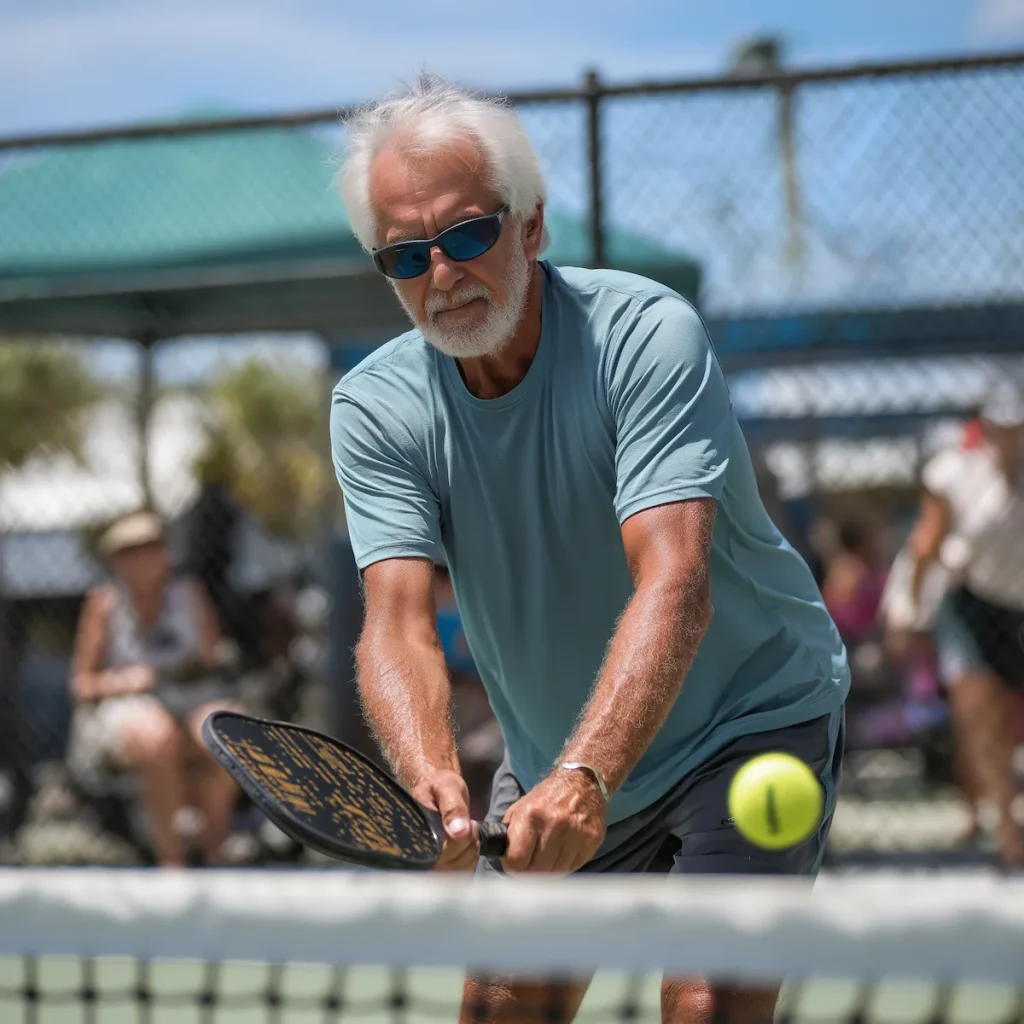
Why These Sports Are Different From High-Impact Activity
Golf and pickleball are generally considered lower-impact than sports like running or basketball, which is one reason they’re often realistic goals after joint replacement. That said, each sport places its own demands on the hip and knee. Golf involves rotation through the hips and a stable base for the swing. Pickleball involves quick lateral movement, pivoting, and sudden stops — more dynamic than many people expect from a “low-impact” sport. Your surgeon and physical therapist will factor these specific demands into your recovery plan.
Golf: What to Expect
Many golfers are eager to get back on the course, and the swing itself is often part of the conversation from the very first consultation. Early in recovery, the focus is on rebuilding hip and knee range of motion, since a limited golf swing can put extra strain on the joint. Chipping and putting are often reintroduced before a full swing, allowing golfers to ease back into the game in stages. Many patients find that a robotic-assisted approach, which prioritizes precise implant alignment, can support the rotational movement golf requires. Your surgeon can help you understand realistic timing based on your specific procedure and progress.
Pickleball: What to Expect
Pickleball’s popularity among active adults means it comes up often in consultations — and for good reason, since it’s a favorite way to stay social and active. Because the sport involves quick direction changes, balance and stability work tend to play a bigger role in preparing to return. Many patients start with modified drills, like standing at the baseline for gentle volleys, before progressing to full match play. Court shoes with good lateral support and a proper warm-up can also make a meaningful difference once you’re back playing regularly.
Factors That Influence Your Timeline
Every patient’s path back to the course or the court looks a little different. Some of the factors that can influence timing include:
- The type of procedure performed (robotic-assisted hip vs. knee replacement)
- Your strength and mobility before surgery
- How consistently you follow your physical therapy program
- Your surgeon’s specific clearance based on your individual healing progress
Many patients ask for a general timeframe, and while it varies, some golfers and pickleball players return to modified play within a few months, with full participation often following as strength and confidence build.
Listening to Your Body
Even once you’re cleared to play, easing back in matters. Starting with shorter sessions, paying attention to swelling or soreness afterward, and communicating openly with your surgeon about how your joint responds can help you build back up safely. Many patients find that their new joint actually performs better during activity than their arthritic joint did in the years before surgery — but that improvement is best protected by not rushing the process.
Getting Back to What You Love
If knee or hip pain has kept you off the course or the court, it may be time to explore your options. Robotic-assisted joint replacement is designed with precision in mind, and for many active patients, that precision translates into a more confident return to the sports and routines that matter most.
Request a Consultation — Call and Ask for Dr. Avino
Schedule a Consultation Today
If hip or knee pain is slowing you down, don’t wait. Request a consultation online or call
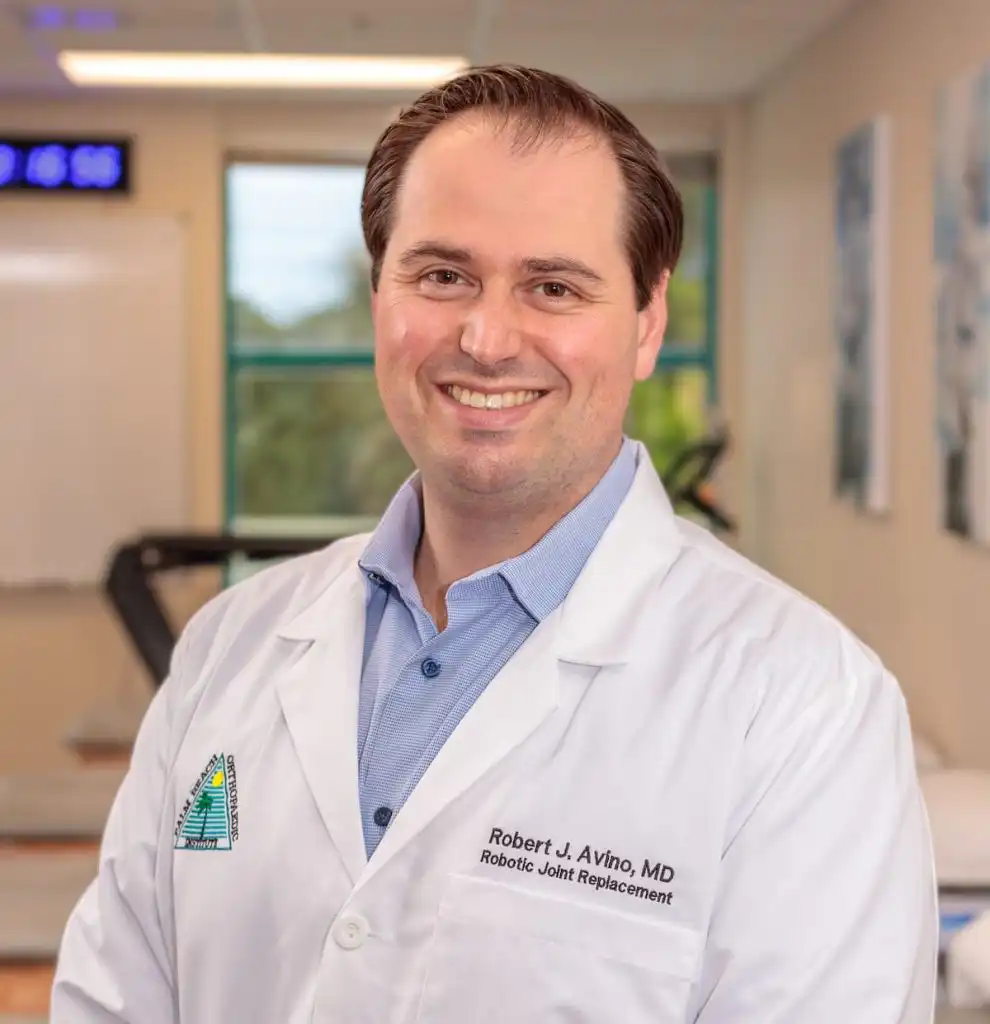
Palm Beach Orthopedic Institute and ask for Dr. Robert J. Avino.